Luxury footwear brands represent more than just shoes—they symbolize craftsmanship, exclusivity, and global fashion influence. From iconic red soles to handcrafted Italian leather, premium shoe brands have built reputations that resonate with fashion enthusiasts, celebrities, and collectors worldwide. In this comprehensive guide, we will explore the world of luxury footwear brands, their heritage, craftsmanship, popular styles, and why they remain essential in the fashion industry.
What Defines Luxury Footwear Brands
Luxury footwear brands are characterized by high-quality materials, meticulous craftsmanship, and strong brand identity. Companies like Christian Louboutin and Gucci invest heavily in design innovation and premium production techniques. Unlike mass-produced footwear, luxury shoes are often handmade using fine leather, suede, and exotic materials.
These brands also maintain exclusivity through limited production runs and high price points. For example, Hermès is known for its dedication to artisanal craftsmanship, which extends into its footwear collections. The emphasis on detail ensures longevity, comfort, and timeless appeal.
The Heritage of Iconic Luxury Shoe Brands
Many luxury footwear brands have a rich history that dates back decades or even centuries. Salvatore Ferragamo, founded in the early 20th century, gained fame for designing shoes for Hollywood stars. Ferragamo’s innovative approach to comfort and style revolutionized the footwear industry.
Similarly, Jimmy Choo rose to prominence in the 1990s, becoming a favorite among celebrities and royalty. Meanwhile, Prada has consistently set trends with its minimalist yet sophisticated designs.
These heritage brands combine tradition with modern innovation, ensuring their continued relevance in a fast-changing fashion landscape.
Craftsmanship and Materials in Luxury Footwear
One of the defining features of luxury footwear brands is the emphasis on craftsmanship. Brands such as Berluti are renowned for their hand-polished leather shoes, a technique that creates a unique patina over time.
Luxury brands often source the finest materials, including full-grain leather, suede, and even exotic skins. Louis Vuitton, for instance, uses premium leather and signature monogram canvas to create distinctive footwear designs.
The production process can take hours or even days for a single pair, involving skilled artisans who specialize in stitching, cutting, and finishing. This attention to detail ensures superior quality and durability.
Popular Types of Luxury Footwear
Luxury footwear brands offer a wide range of styles catering to different occasions and preferences.
High Heels and Pumps
High heels from Christian Louboutin are instantly recognizable due to their iconic red soles. These shoes are synonymous with elegance and are often worn at formal events and red carpet appearances.
Sneakers
Luxury sneakers have gained immense popularity in recent years. Brands like Balenciaga and Alexander McQueen have redefined casual footwear with bold designs and premium materials.
Loafers and Formal Shoes
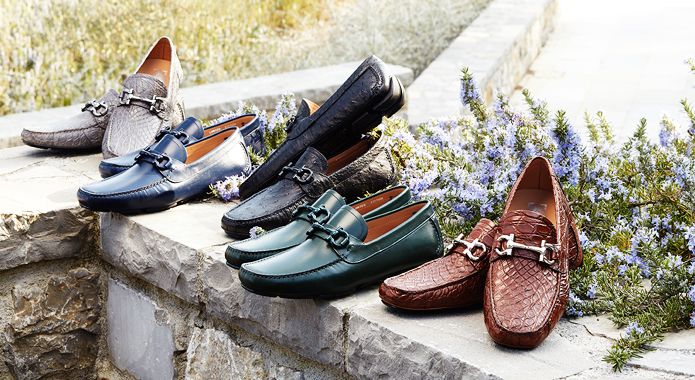
Classic loafers and dress shoes from Gucci and Berluti are staples in men’s fashion. These styles combine comfort with sophistication, making them ideal for business and formal settings.
Boots
Luxury boots from brands like Saint Laurent offer a blend of ruggedness and elegance. Whether ankle boots or knee-high styles, these designs add versatility to any wardrobe.
The Role of Celebrity Influence
Celebrity endorsements and appearances play a significant role in promoting luxury footwear brands. Stars such as Kim Kardashian and Rihanna frequently showcase luxury footwear on social media and at major events.
Luxury brands often collaborate with celebrities to create exclusive collections. For example, partnerships between designers and influencers have helped brands like Balenciaga maintain their relevance among younger audiences.
Luxury Footwear and Global Fashion Trends
Luxury footwear brands are trendsetters in the global fashion industry. Events like Paris Fashion Week and Milan Fashion Week showcase the latest collections from top designers.
These events influence seasonal trends, from bold statement heels to minimalist sneakers. Brands such as Prada and Gucci often lead these trends, setting the tone for the rest of the industry.
Sustainability in Luxury Footwear
In recent years, sustainability has become a key focus for luxury footwear brands. Companies like Stella McCartney are leading the way by using eco-friendly materials and ethical production methods.
Consumers are increasingly prioritizing sustainability, prompting brands to adopt practices such as reducing waste, sourcing responsibly, and improving supply chain transparency. This shift reflects a broader trend in the fashion industry toward environmental responsibility.
Investment Value of Luxury Shoes
Luxury footwear is often seen as an investment rather than a simple purchase. Limited-edition releases and iconic designs can appreciate in value over time. For instance, rare pieces from Hermès or Christian Louboutin are highly sought after by collectors.
The durability and timeless design of luxury shoes also contribute to their long-term value. Unlike fast fashion, these products are built to last, offering both aesthetic and functional benefits.
How to Choose the Right Luxury Footwear
When selecting luxury footwear, several factors should be considered.
First, prioritize comfort and fit. Even the most stylish shoes should provide adequate support. Brands like Salvatore Ferragamo are known for combining elegance with comfort.
Second, consider the occasion. Formal events may require classic pumps or dress shoes, while casual outings allow for stylish sneakers or loafers.
Third, evaluate the material and craftsmanship. High-quality leather and precise stitching are indicators of a well-made product.
Finally, consider brand reputation. Established names such as Louis Vuitton and Prada offer reliability and prestige.
The Future of Luxury Footwear Brands
The future of luxury footwear brands lies in innovation and adaptability. Digital transformation, including e-commerce platforms and virtual fashion shows, is reshaping how brands interact with consumers.
Additionally, collaborations between luxury brands and streetwear labels are becoming increasingly common. This fusion of high fashion and casual style appeals to a broader audience, ensuring continued growth.
Brands like Balenciaga are at the forefront of this movement, experimenting with unconventional designs and marketing strategies.
Conclusion
Luxury footwear brands continue to dominate the fashion world through their commitment to quality, innovation, and exclusivity. From heritage names like Salvatore Ferragamo to modern trendsetters like Balenciaga, these companies set the standard for premium footwear.
Whether you are investing in a timeless pair of leather loafers or a statement pair of designer sneakers, luxury footwear offers unmatched value and style. As trends evolve and sustainability becomes a priority, the industry is poised for an exciting future that blends tradition with modern innovation.